
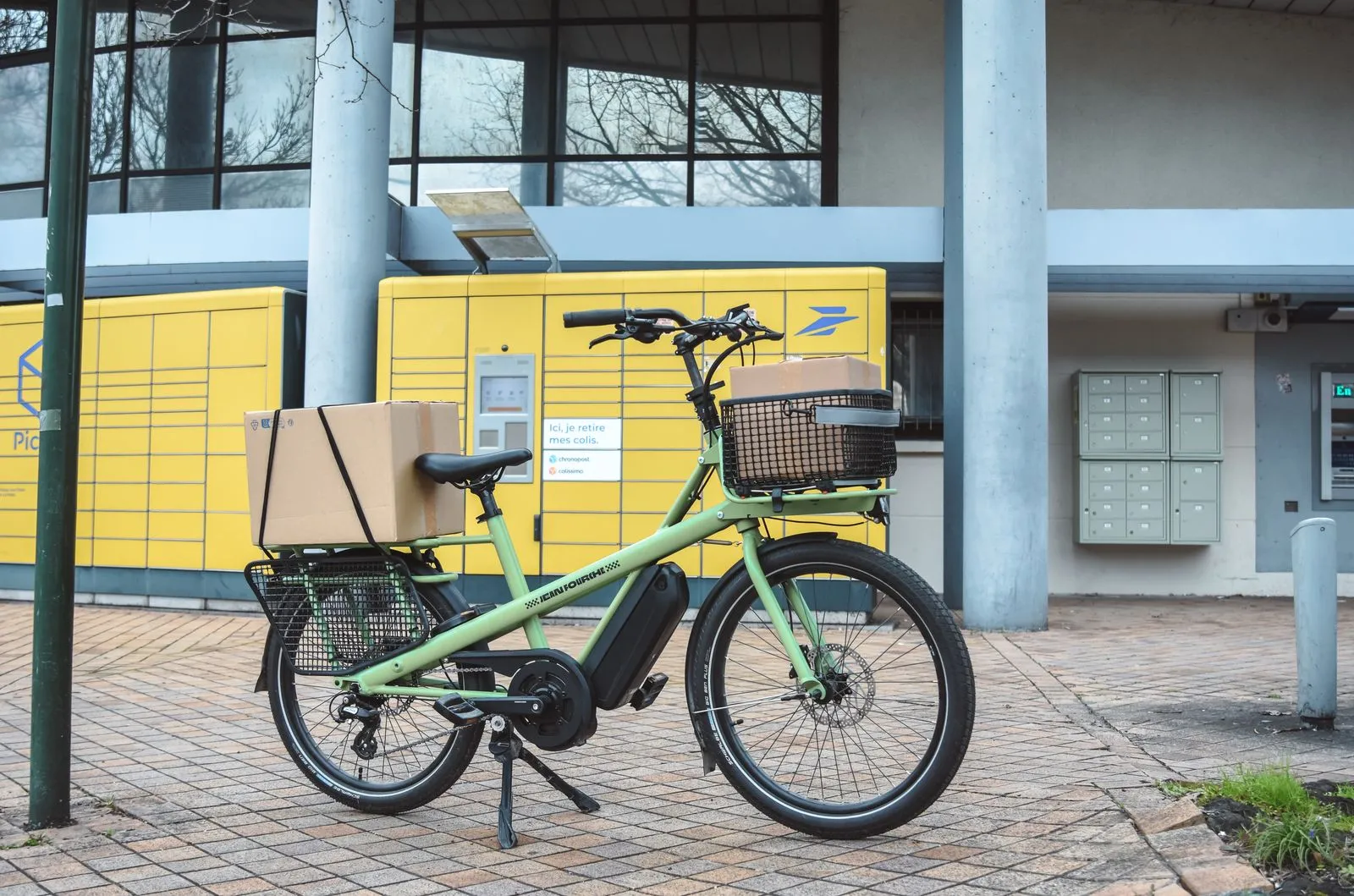
Rainy rides leave more than water on a cargo bike. Road grit can build up around the drivetrain, wet rims or rotors can affect braking, and damp storage encourages rust. A short routine after a commute helps protect the bike and makes the next ride easier. You do not need special equipment for basic care: a bucket, soft brush, clean rags, and bike-specific chain lubricant cover the essentials. Check your bike’s manual for model-specific instructions, especially for electric components.
Rinse Off Road Grime
After a wet ride, wipe away mud and grit before they dry. Use a low-pressure stream of clean water or a damp cloth, then work with a soft brush around the frame, wheels, fenders, and cargo area. Avoid pressure washers and forceful spray near bearings, electrical connections, displays, and motor seals; high pressure can push water into parts that should stay protected.
Pay attention to places where dirt collects, such as the underside of the frame, the fork, and around fender mounts. Dry the bike with a clean rag, including bolts and crevices you can reach. If your cargo bike has a box, rack, or fabric accessories, empty and wipe them separately so trapped water does not sit against the frame.
Clean and Lubricate the Chain
A wet chain picks up grit quickly. Wipe it with a dry rag while turning the pedals backward, taking care to keep fingers and cloth clear of the chainrings and other moving parts. If the chain is visibly dirty, use a bicycle-specific degreaser according to its label, then wipe away residue and let the chain dry before adding lubricant.
Apply a small amount of wet-weather chain lubricant to the inside of each chain link as you turn the pedals slowly. Let it settle, then wipe the outside of the chain thoroughly. Lubricant on the outer surface mainly attracts dirt. Follow the product directions, and avoid getting lubricant on brake rotors, pads, rims, or tires.
Check Brakes and Tires
Before the next trip, squeeze each brake lever and make sure it feels firm and engages before the lever reaches the handlebar. Look for worn brake pads, loose cables, rubbing, or a change in braking feel. For disc brakes, keep oil and chain lubricant away from the rotor and pads. For rim brakes, check that the braking surface is clean and the pads contact the rim correctly.
Wet conditions can reduce grip and make stopping take longer, so check tire pressure against the range printed on the tire or recommended by the manufacturer. Inspect the tread and sidewalls for cuts, embedded debris, or damage. Cargo bikes carry substantial loads, so use the bike’s guidance for pressure and weight distribution rather than relying on a standard commuter-bike setup.
Store It Dry and Ready
Park the bike under cover when possible, but do not seal a wet bike in a tightly fitted cover. Let moisture escape, then dry the frame, chain, brakes, and cargo accessories before covering or storing it. Choose a ventilated spot away from standing water. If the bike must stay outdoors, use a weather-resistant cover that fits without trapping dampness against the bike.
For an electric cargo bike, follow the manufacturer’s instructions for the battery and charging. Dry the battery and its contacts before handling or charging it, and do not charge a wet battery or charger. Make a quick post-ride check for loose cargo, unusual noises, and visible damage. If braking changes or a component feels unsafe, pause riding and arrange a proper inspection.
A few minutes of rinsing, drying, chain care, and brake checks can help a cargo bike handle repeated wet commutes. Build the routine into your return home, and address unusual wear or changes in handling before carrying another load. For model-specific maintenance guidance, contact Eugene Cargo Cycles or consult your bike’s manual.